Hello passionate travel lovers! I’m Minh, a travel expert with over 20 years of experience exploring every corner of beautiful Vietnam. From backpacking adventures in my youth to leading high-end tours today, I have witnessed countless changes in destinations. And today, I am truly excited to share with you about Trường Dục Thanh – an extremely important historical relic located in Phan Thiết, near Mũi Né, Bình Thuận Province, and perfectly combinable with Lâm Đồng tourism to create the most memorable journey10-day itinerary. If you are looking for a place to explore Vietnam’s revolutionary history – where Uncle Hồ once taught, to relax by the emerald sea and white sand, and to enjoy the cool highland climate with rich ethnic culture, this is the perfect guide for you. I will tell you everything from A to Z, in a warm storytelling style as if we’re sitting together having coffee. And remember, in 2026, Trường Dục Thanh tourism is hotter than ever thanks to the completed Dầu Giây – Phan Thiết expressway and the upgraded road connecting to Lâm Đồng, making travel easy and hassle-free.
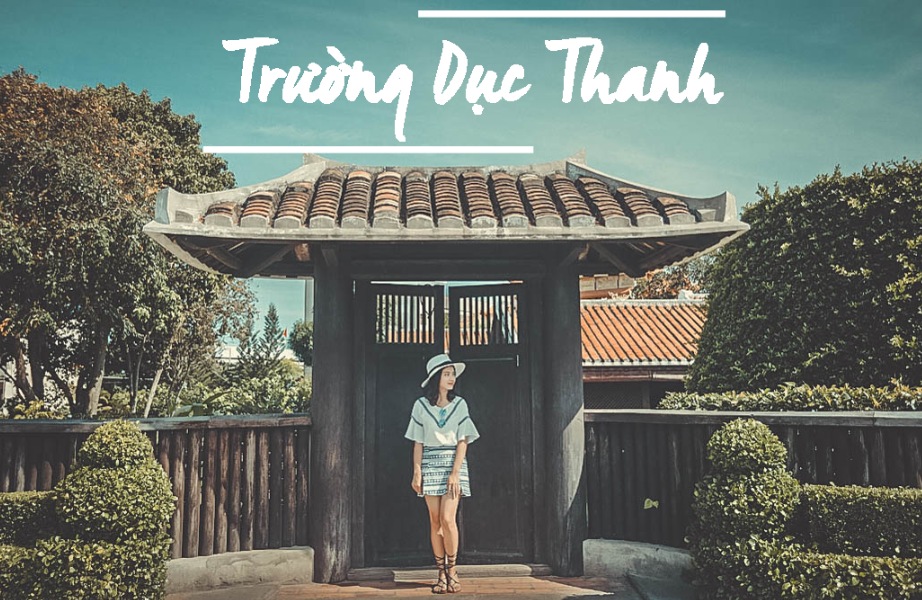
First, let me briefly introduce Trường Dục Thanh so you can visualize it. Trường Dục Thanh (abbreviated from Giáo Dục Thanh Thiếu Niên – Education for Youth) is a private school founded in 1907 by patriotic scholars in Phan Thiết to promote the Duy Tân Movement initiated by Phan Châu Trinh, Trần Quý Cáp and Huỳnh Thúc Kháng in Central Vietnam. According to Wikipedia, the school was part of three closely linked organizations under the slogan “Khai dân trí – Chấn dân khí – Hậu dân sinh” (Enlighten the people – Revitalize the people’s spirit – Improve the people’s livelihood): Dục Thanh Học Hiệu (education), Liên Thành Thư Xã (book publishing & patriotic press, established 1905), and Liên Thành Thương Quán (economic fund-raising, established 1906). The school is located at 39 Trung Nhị Street, Đức Nghĩa Ward, Phan Thiết City, Bình Thuận Province, right by the poetic Cà Ty River. This is where Uncle Hồ (then Nguyễn Tất Thành) taught from September 1910 to February 1911 before leaving to find the path to save the country. The school was built on land donated by Mr. Nguyễn Hợi in Thành Đức village, funded by profits from 10 acres of donated rice fields and contributions from Liên Thành Thương Quán. Tuition was free, teachers only received allowances. The principal was Nguyễn Quý Anh, main lecturers were Nguyễn Hiệt Chi and Trần Đình Phiên, with about 100 students from many places in 4 classes. The curriculum followed Đông Kinh Nghĩa Thục books, very strict discipline – students sang the national anthem every day. The school closed in 1912 due to the principal’s relocation and other reasons. Today, the relic was restored in 1978, preserving original structures such as the ancient banyan tree and the well that Uncle Hồ once cared for. It is a national cultural-historical relic under the management of Hồ Chí Minh Museum – Bình Thuận Branch. I still remember my first visit here 15 years ago while guiding a student group – the emotion when standing in front of the old school, imagining Uncle Hồ teaching and instilling patriotism was overwhelming. Now, with the strong development of Mũi Né tourism, Trường Dục Thanh has become much more accessible while still retaining its solemn historical beauty preserved by the local community and Bình Thuận authorities.
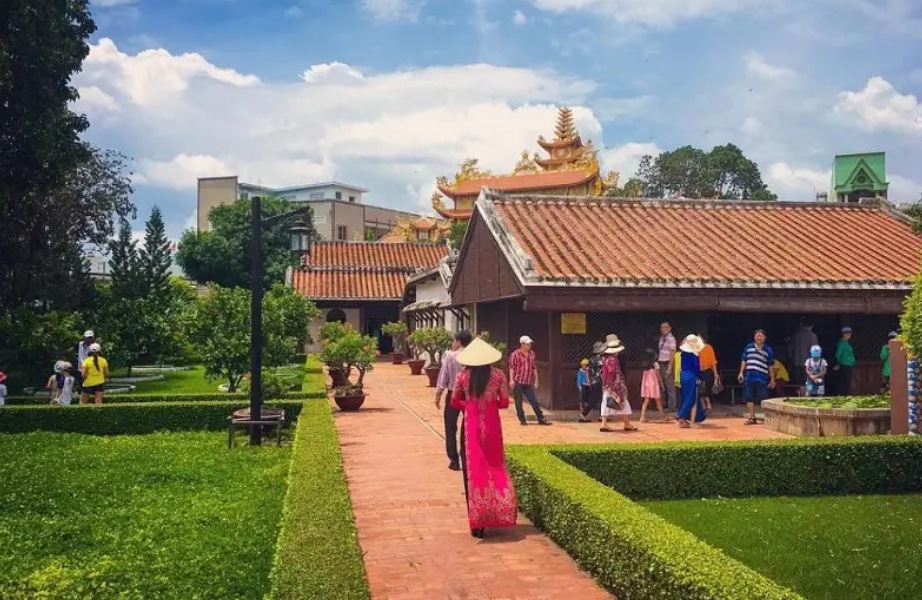
Trường Dục Thanh, Mũi Né, Lâm Đồng 2026
Before diving deep into the Trường Dục Thanh travel experience, I want to give an overview of Mũi Né, Lâm Đồng and the overall context of Vietnam tourism so you have a complete picture. Mũi Né is a coastal ward of Phan Thiết City, Bình Thuận Province, famous for dozens of kilometers of beach, pink sand dunes and rich Cham culture. According to Wikipedia, the name Mũi Né comes from “mũi” (cape) where fishermen went out to sea and “né” (shelter) from storms – a name given by local fishermen. The area was recognized as a national tourist site in 2018, with a tropical windy climate, sunny all year round, average temperature 25-30°C, little rain from April to August – ideal for beach tourism and outdoor activities such as sandboarding or kite surfing. Famous attractions in Mũi Né include:
- Pink Sand Dunes (or Flying Sand Dunes) with 18 sand colors changing under sunlight
- Hòn Rơm – a pristine island for camping and swimming
- Hòn Ghềnh for coral diving and fishing
- Bàu Trắng – Bàu Sen – mini Sahara with blooming lotus lakes
- Suối Tiên with magical red and white rock formations
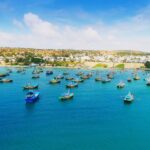
- Mũi Né Fishing Village bustling with colorful basket boats and fresh seafood markets
- Prince’s Palace (Dinh Vạn Thủy Tú) – the oldest Cham palace in Southeast Asia with a 22-meter whale skeleton
- Mũi Né Bay for swimming and water sports
- Poshanu Cham Towers – ancient Cham relic with Hoa Lai architectural style and exquisite art
- Fish Sauce Museum recreating 300 years of fish sauce making history from Cham to French colonial period
- and many other places such as Hòn Bà Island, Ke Ga Lighthouse with old French architecture, Tà Cú Mountain with the longest reclining Buddha statue in Vietnam, Cổ Thạch stone beach, Cà Ná island, Phú Quý island with crystal-clear sea and coral reefs.
The culture in Mũi Né is a beautiful blend of Vietnamese, Cham and minority ethnic groups, with the annual Kate Festival (Cham lunar July) where you can watch traditional dances, listen to folk instruments like paranung drum and saranai trumpet, and enjoy Cham cuisine such as bánh canh chả cá or grilled banana-wrapped meat. Traditional crafts here include fish catching, fish sauce making in large wooden barrels, and Cham brocade weaving with intricate patterns symbolizing gods and nature. Sea festivals such as the whale worship ceremony at Vạn Thủy Tú with chanting, offering dances, and nghinh ông boat racing reflect the vibrant life of fishermen. Cham art in Mũi Né is outstanding with ancient towers, stone sculptures of god Shiva, fire dancing ceremonies, and folk music, bringing profound cultural experiences to tourists, especially researchers or history lovers.
Cuisine in Mũi Né is truly a “seafood paradise”! From fresh seafood served with sweet and sour fish sauce, grilled squid, or snakehead fish hotpot with fresh vegetables, to signature “dragon” dishes from the dunes – sweet and greasy grilled sand lizard, charcoal-grilled mountain goat, charcoal-grilled wild boar, “dông” (sand lizard) prepared seven ways: grilled, steamed, salad, porridge, etc. Don’t miss Bình Thuận’s king crab – sweet meat, firm texture, best when steamed or grilled with salt and pepper, or cooked into porridge in the chilly 12th lunar month when crabs are fattest. Rice paper rolls with Mũi Né wine are a popular street snack sold in the afternoon at the intersection of Thọ Khoa Huân and Trần Hưng Đạo. Fish hotpot is the specialty with snakehead fish, snakehead fish, tilapia fillets, fresh vegetables, tamarind-based dipping sauce made from tamarind, chili, garlic, roasted peanuts, fermented fish sauce, and herbs. According to VnExpress, “Fish hotpot is the signature dish in Phan Thiết that many tourists seek out and praise.” I once tried fish hotpot at a small restaurant in Mũi Né fishing village – the sweet and spicy broth, eaten with fresh rice vermicelli and herbs, was unforgettable, especially after a day watching fishermen pull nets.
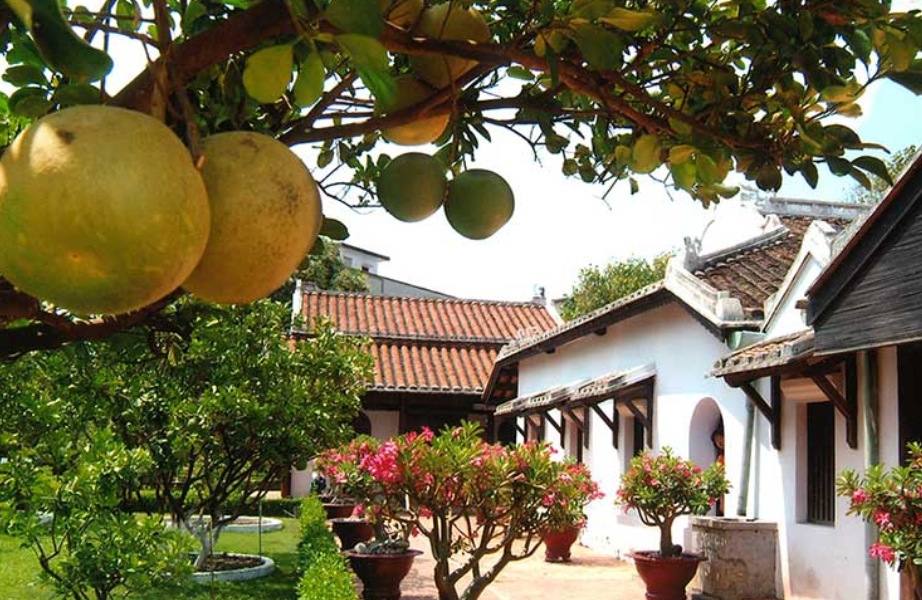
Trường Dục Thanh, Mũi Né, Lâm Đồng 2026
Moving to Lâm Đồng, this province borders Bình Thuận to the west, with its capital Da Lat – the world-famous “city of thousand flowers”. According to Wikipedia, the province covers 9,773 km², with a cool temperate climate all year round (15-20°C), ideal for eco-tourism and resort tourism, with abundant rainy season from May to October creating lush green landscapes and spectacular waterfalls. Famous attractions include Da Lat with the poetic Xuân Hương Lake for cycling or boating, Datanla waterfall for adventurous zipline, Pongour waterfall – Vietnam’s Niagara with 7 tiers, Lang Biang mountain (2,169 m) associated with the love legend of K’Ho boy and Chil girl, Bidoup-Núi Bà National Park with rich biodiversity of ancient trees, orchids and rare wildlife such as wild elephants, tigers, bears, Thung Lũng Tình Yêu romantic valley with four-season flower gardens and love bridge, Da Lat night market selling warm specialties and vegetables, Linh Phước pagoda made entirely from recycled bottles and Guinness record for the largest dragon-shaped mosaic Buddha, Tuyền Lâm lake for kayaking or fishing, Prenn waterfall with mini zoo and cable car, Bảo Đại Palace – the summer palace of the last emperor with classic French interior, Da Lat flower gardens blooming all year with camellia, roses, mimosa, and many other places such as Cù Lần village of ethnic minorities with rông houses, Cầu Đất tea hills, Golden Stream with pine forests, Dankia – Golden Stream mystical lake, Lieng Rowoa waterfall (Elephant waterfall) 30 m high, Madagui Forest City with team-building activities. Lâm Đồng culture is rich with UNESCO-recognized cồng chiêng (gong) performances of K’Ho, Ma, Chil ethnic groups, buffalo sacrifice festival in harvest season with sap dancing, rice pounding, new rice festival with cần wine and grilled meat, single-log canoe racing on Xuân Hương lake recreating river life, and traditional brocade weaving with bird, forest and flower patterns symbolizing community life and belief. According to the official Lâm Đồng portal: “K’Ho buffalo sacrifice festival and Ma people’s single-log canoe racing are vibrant expressions of living culture.” Tradition here is also reflected in organic coffee and tea farming without chemicals, and craft villages such as Cầu Đất brocade weaving with hand-embroidered patterns, Lac Duong wood carving with god statues and mini rông houses, Đam Rông cần wine making from forest leaf yeast. Lâm Đồng art stands out with Da Lat silk paintings of flowers and landscapes, folk gong music with 8-12 gongs, spring dancing, annual Da Lat Flower Festival with flower parades, silk and dried flower exhibitions, and coffee and tea festivals with traditional folk art performances.
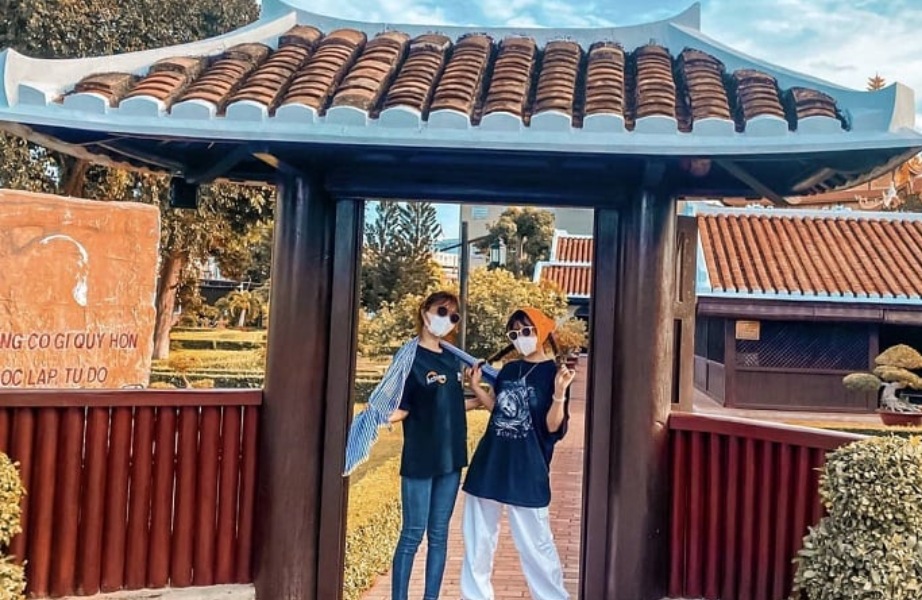
Trường Dục Thanh, Mũi Né, Lâm Đồng 2026
Lâm Đồng cuisine is diverse and cool, thanks to the chilly climate and fertile basalt soil. Specialties include Da Lat strawberries, artichokes, roses, Laba bananas, carrots; artichoke tea for cooling and liver health; Da Lat strawberries dipped in salt-chili or made into smoothies and salads; crispy Laba bananas eaten with honey or baked; sweet and greasy Da Lat roses eaten fresh or dried; wild vegetables such as lá bép, rau dớn, bamboo shoots stir-fried with garlic or sour soup; wild lingzhi mushroom soup or chicken hotpot for nourishment; stream fish from Dankia grilled with salt or steamed with lemongrass; highland free-range chicken with Tây Nguyên spices such as chili, pepper, forest leaves; traditionally raised pork grilled crispy skin dipped in fish sauce; Da Lat bánh căn eaten with fish sauce and toppings; crispy rice paper rolls with egg, dried shrimp, scallion oil, dried beef; cơm lam (sticky rice steamed in bamboo tubes) eaten with grilled salt or meat; wild vegetable hotpot; robusta coffee from Di Linh or Đam Rông drunk hot with condensed milk or black; cần wine of K’Ho ethnic people fermented from glutinous rice and forest leaf yeast, drunk communally through bamboo straws during festivals; and many organic dishes such as artichoke salad, Da Lat lettuce with sesame dressing, grilled cabbage with quail eggs. According to Báo Mới, “Wild vegetables and leaves carry the pure flavor of the highland forest.”
Traveling from white-sand beaches to cool green highlands is now extremely easy – only 4-5 hours. According to Vietnam Tourism, the “Sea and Flowers” route not only brings diverse experiences but also contributes to preserving local culture and boosting community economy, with many combined tours from Trường Dục Thanh up to Da Lat to admire flowers. I strongly recommend combining these two regions for a complete trip: exploring revolutionary history at Trường Dục Thanh, trekking pine forests in Lâm Đồng, enjoying both sea breeze and highland ethnic culture, while learning about Vietnam’s revolutionary history.
When is the best time to visit Trường Dục Thanh?
Dear friends, Trường Dục Thanh can be visited year-round thanks to Mũi Né’s warm climate, but I recommend April to August when the weather is sunny, dry, and little rain – ideal for outdoor relic visits and exploring nearby Phan Thiết. During this time, temperature is around 25-30°C, gentle breeze makes it comfortable, and you can combine with Mũi Né beach. From August to December, stronger wind is suitable for adventurous activities nearby, though December may have occasional rain – remember to bring a light raincoat. If combining with Lâm Đồng tourism, I suggest spring (January-March) to admire blooming cherry blossoms and wild sunflowers in Da Lat, then down to Mũi Né for summer relic visits. Summer (June-August) is the perfect time to escape southern heat – Lâm Đồng stays cool at 15-20°C while Trường Dục Thanh is sunny for photography. In 2026, AccuWeather forecasts Mũi Né will have fewer storms than usual, but always check weather apps before departure. I once guided a group to Trường Dục Thanh in May – everyone was moved standing under the ancient banyan tree and the well Uncle Hồ cared for – the solemn history combined with cool sea breeze is hard to describe. Early morning is the best time to visit, when sunlight filters through ancient trees, or late afternoon to avoid harsh sun. If you prefer tranquility, avoid Tết and summer peak – choose September-October when there are fewer tourists, prices drop 20-30%, and weather is still beautiful with gentle highland winds. Note that rainy season (November-December) may cause slippery roads but brings a unique wild beauty, suitable for distant landscape photography or combining nearby relic visits.
How to get to Trường Dục Thanh & Mũi Né in 2026
Getting to Trường Dục Thanh is now super easy and convenient! From Ho Chi Minh City, you have many options:
- Motorbike along the beautiful coastal road from Cát Lái ferry, through Long Thành, Bà Rịa, Hồ Tràm to Phan Thiết – about 230 km, 4-5 hours. I love this route because you can stop to admire scenery, visit pristine Hồ Tràm beach or Bình Thuận National Forest.
- Coach from Miền Đông Bus Station – price around 130,000 VND/person, 5 hours with reputable companies like Kumho or Phương Trang – comfortable sleeper buses with Wi-Fi.
- Train SPT1/SPT4 from Sài Gòn Station – price 110,000 VND, morning departure, beautiful railway views through plains and sea.
- From Hanoi, fly to HCMC first or direct to Phan Thiết Airport (operational since late 2023) – ticket price around 1-2 million VND with Vietnam Airlines or Bamboo Airways, flight time 1 hour from Hanoi.
The biggest highlight in 2026: Dầu Giây – Phan Thiết expressway is completed, reducing car travel time from HCMC to only about 2 hours – super convenient for short trips! From central Mũi Né to Trường Dục Thanh is about 20 km to Phan Thiết, 30 minutes by motorbike or 200,000 VND taxi. Tip from an expert: rent a motorbike for flexibility to visit other relics and arrive early morning to avoid heat. If coming from Lâm Đồng, from Da Lat down to Mũi Né via National Route 28B – a winding, extremely scenic road with pine forests and misty mountains – 4-5 hours, coach ticket 150,000 VND. The pass is being upgraded from 2023 and will be much safer in 2026 with guardrails and new signs. I recommend renting a private car if traveling in a small group to freely stop for photos along the way, or open-tour bus for convenience with experienced drivers. If combining, fly to Liên Khương Airport (Da Lat) then drive down to the sea – the “highland to revolutionary relic” journey is unforgettable, with views from green pine forests to turquoise sea. Safety tip: check vehicle before traveling on mountain passes, avoid driving at night due to fog, and bring motion sickness medicine because the road is quite winding. From Phan Thiết city to Trường Dục Thanh, roads are good, easy to find with directional signs.
What to do at Trường Dục Thanh?
Yes, Trường Dục Thanh is a place to experience revolutionary history full of national pride! With its ancient and solemn beauty, the relic is ideal for guided tours, history lessons, photography and combining nearby attractions. I will detail each activity based on my years of guiding experience so you can easily visualize and plan.
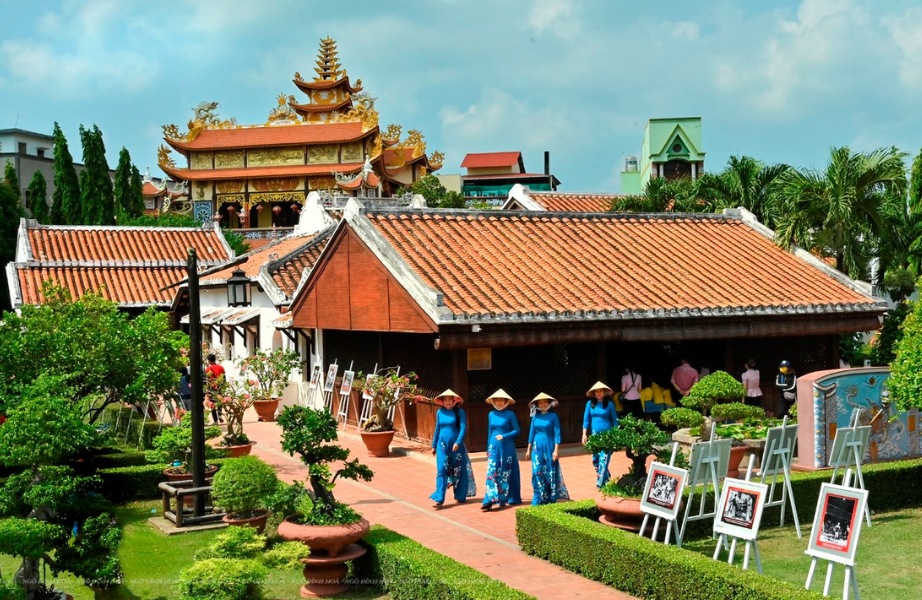
Trường Dục Thanh, Mũi Né, Lâm Đồng 2026
1. Guided tour & history lesson
The main activity at Trường Dục Thanh is a free guided tour to learn about the Duy Tân Movement and the period when Uncle Hồ taught here. See classrooms, Ngã Du Sào house, living quarters, ancient banyan tree, and the well. I remember guiding a student group – everyone was deeply moved hearing stories of Uncle Hồ teaching and instilling patriotism! According to Báo Bình Phước, “Located in the center of Phan Thiết city, by the Cà Ty River, at 39 Trung Nhị Street, Đức Nghĩa Ward, Trường Dục Thanh came into being and operated…” Expert tip: book a group tour to hear detailed stories and ask questions freely.
2. Photography & relic exploration
Take photos under the ancient banyan tree, by Uncle Hồ’s well, old classrooms. Explore revolutionary artifacts. According to Du Lịch Hoàn Vũ, “Where is Trường Dục Thanh? It is located in Thành Đức village, now 39 Trung Nhị Street, Đức Nghĩa Ward, Phan Thiết.” Reminder: respect the relic, do not touch artifacts.
3. Combine nearby attractions & cultural activities
From the relic, visit Suối Tiên, Pink Sand Dunes, or up to Lâm Đồng to trek Pongour. Join Cham cultural tours, learn Cham brocade weaving. In 2026, eco-activities such as relic cycling tours will be popular.
Must-try specialties around Trường Dục Thanh, Mũi Né & Lâm Đồng
Eating and drinking near Trường Dục Thanh in Mũi Né is all about fresh seafood. Specialties: fresh seafood salad, “dông” seven ways, king crab, rice paper rolls with wine, fish hotpot. Combined with Lâm Đồng: Da Lat strawberries, artichoke tea, Laba bananas, roses, wild vegetables, lingzhi mushroom, stream fish, free-range chicken, grilled pork, bánh căn, rice paper rolls, cơm lam, wild vegetable hotpot, robusta coffee, cần wine. According to Báo Mới, “Wild vegetables and leaves carry the pure flavor of the highland forest.”
- Mũi Né fresh seafood salad: sweet and sour.
- Dông (sand lizard) dishes: sweet and greasy from the dunes.
- King crab: steamed with salt and pepper.
- Da Lat strawberries: fresh or made into smoothies.
- Free-range chicken with banana leaves: authentic highland flavor.
- Robusta coffee: rich highland aroma.
- Cơm lam: ethnic bamboo-tube rice.
- Stir-fried wild vegetables: nutritious from the forest.
- Crispy rice paper rolls: with rich toppings.
- Cần wine: communal festival drink.
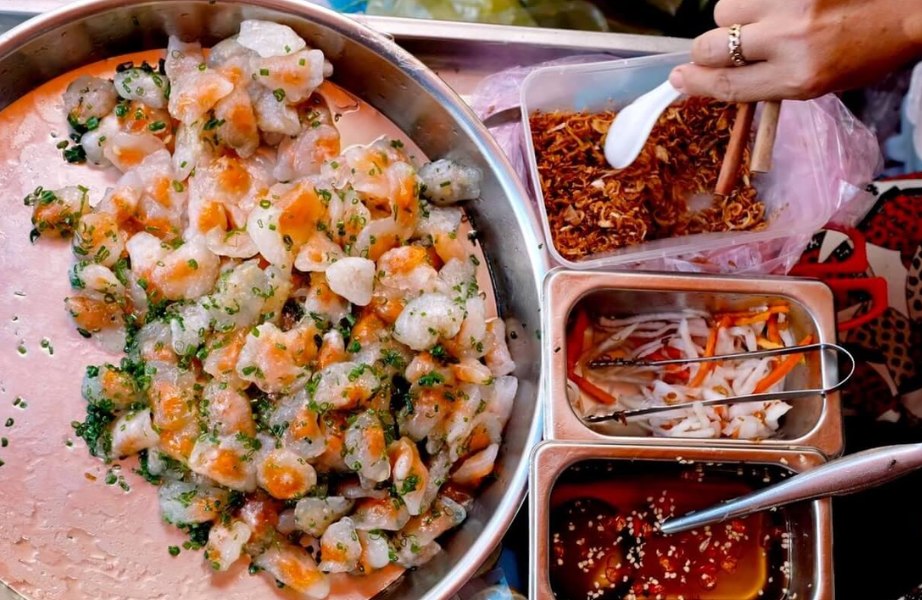
Specialties in Mũi Né & Lâm Đồng – Mũi Né quai vac cake
Enjoy at local markets or restaurants for authentic taste. I recommend trying fresh seafood salad right after visiting the relic – absolutely delicious!
Where to stay in Mũi Né near Trường Dục Thanh
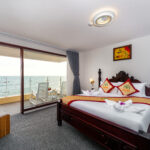
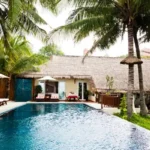
Accommodation in Mũi Né is diverse. Near Trường Dục Thanh in Phan Thiết, homestays cost 500,000 VND, hotels 700,000-1 million VND. But I highly recommend Palado Hotel (https://paladohotel.vn/en/) – 4-star resort at 98B Nguyễn Đình Chiểu, Mũi Né Ward, Lâm Đồng Province, Vietnam. Hotline: 02523556565. Diverse room types, ocean-view. Infinity pool on level 2. 4-star 200-guest wine cellar. 300-seat beachfront restaurant. Luxury spa. According to the official website: “A place to relax – touch the wind, touch the waves.” Convenient for Trường Dục Thanh tours and connecting to Lâm Đồng. In 2026, green packages support relic preservation.
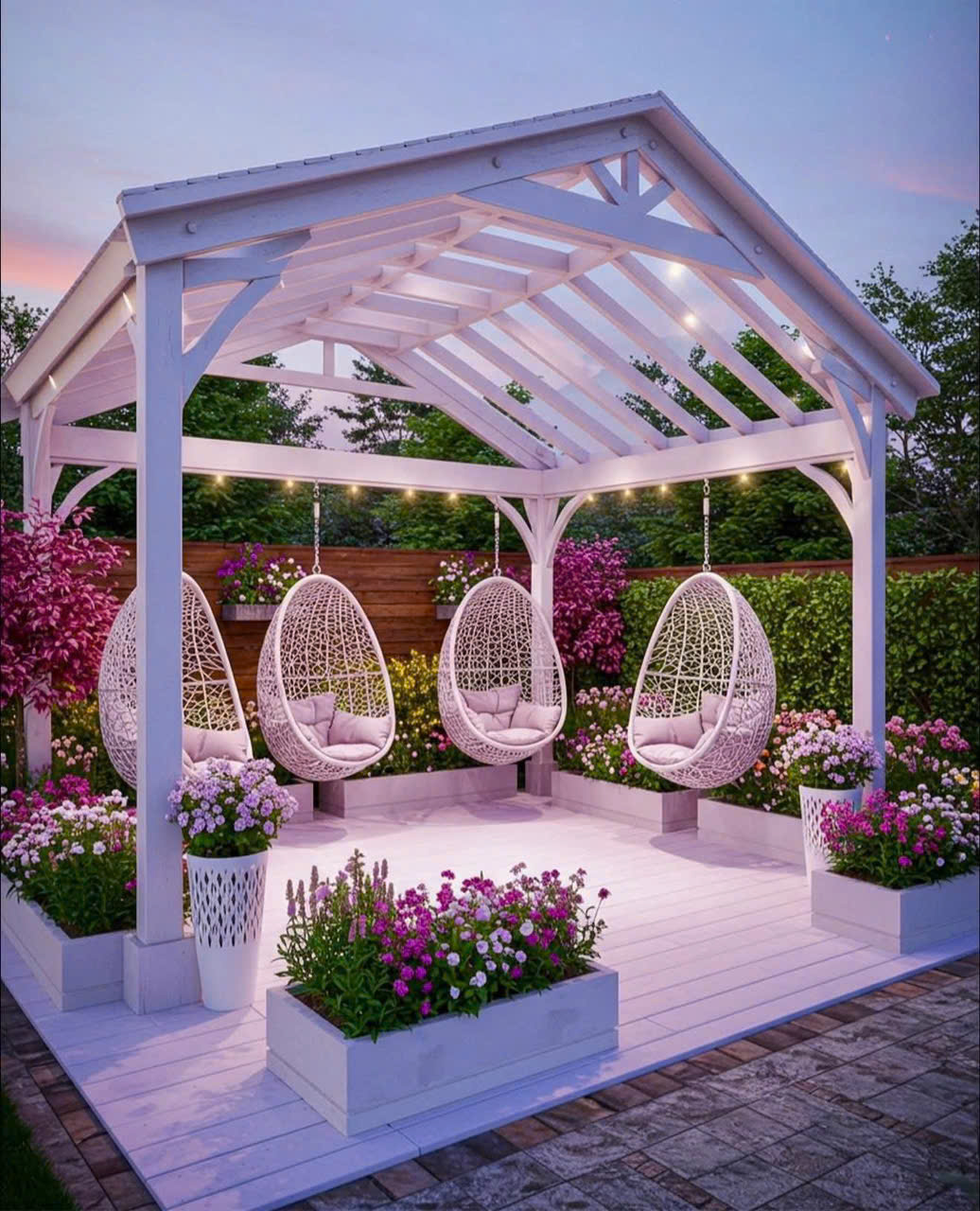
Palado Hotel
Sample 10-day itinerary for Trường Dục Thanh tourism combined with Lâm Đồng
I have designed a 10-day itinerary so you can fully enjoy:
- Day 1: Arrive Mũi Né – Check-in Palado Hotel. Beach walk, fresh seafood dinner.
- Day 2: Explore Trường Dục Thanh – Guided tour, history lesson. Lunch: local food. Afternoon: Cà Ty River.
- Day 3: Nearby activities – Prince’s Palace, Fish Sauce Museum. Evening: hotel spa.
- Day 4: Cham culture – Poshanu Towers, Kate dance. Fish hotpot dinner.
- Day 5: Discover Mũi Né – Pink Sand Dunes, Fishing Village. Evening: Palado wine cellar.
- Day 6: Up to Lâm Đồng – Drive to Da Lat, Xuân Hương Lake, night market. Bánh căn dinner.
- Day 7: Lang Biang trekking – Mountain climbing, gong performance. Lunch: free-range chicken.
- Day 8: Waterfalls & national park – Pongour, Bidoup-Núi Bà. Wild vegetable dinner.
- Day 9: Ethnic culture – K’Ho village, brocade weaving. Try cần wine.
- Day 10: Souvenirs & departure – Buy strawberries, coffee. Fly from Liên Khương.
Flexible itinerary, estimated cost 15-20 million VND/person. Add more days if you want deeper exploration. I have guided many groups with this plan – everyone loves it!
Tips when traveling to Trường Dục Thanh
Bring SPF50+ sunscreen, drink plenty of water because it’s hot. Wear comfortable shoes for relic visits. Dress modestly to respect revolutionary history. Protect the environment: no littering. When combining Lâm Đồng, bring warm clothes for cool nights. Respect culture: no photos if prohibited. Health: bring personal medication. Entrance ticket is free (voluntary donation). Safety: travel in groups, follow guides.
FAQs
How far is Trường Dục Thanh from Mũi Né?
About 20 km, 30 minutes.
Best time to visit Trường Dục Thanh in 2026?
April-August, sunny and dry.
Palado Hotel hotline?
02523556565, visit https://paladohotel.vn/en/
Can I combine Trường Dục Thanh and Lâm Đồng?
Yes, via National Route 28B, 4-5 hours.
Must-try specialties?
Fresh seafood salad, dông dishes, Da Lat strawberries, free-range chicken.
Activities at Trường Dục Thanh?
Guided tour, history lesson, photography – revolutionary experience.
Notable festivals?
Cham Kate, Lâm Đồng gong performances.
Budget travel tips?
Group tours, homestays, fishing village seafood.
What makes Palado Hotel special?
Infinity pool, 200-guest wine cellar, 300-seat beachfront restaurant, luxury spa.
History of Trường Dục Thanh?
Built in 1907 for Duy Tân Movement, Uncle Hồ taught 1910-1911.
Why is Lâm Đồng cuisine cooling?
Wild vegetables, mushrooms, stream fish – rich in nutrients.
Cham culture in Mũi Né?
Kate festival, fire dancing, Poshanu towers.
Lâm Đồng climate?
Cool 15-20°C, rainy season May-October.
Historical relics in Mũi Né?
Trường Dục Thanh, Prince’s Palace.
Lâm Đồng art?
Gong performances, Cham brocade, Da Lat silk paintings.